
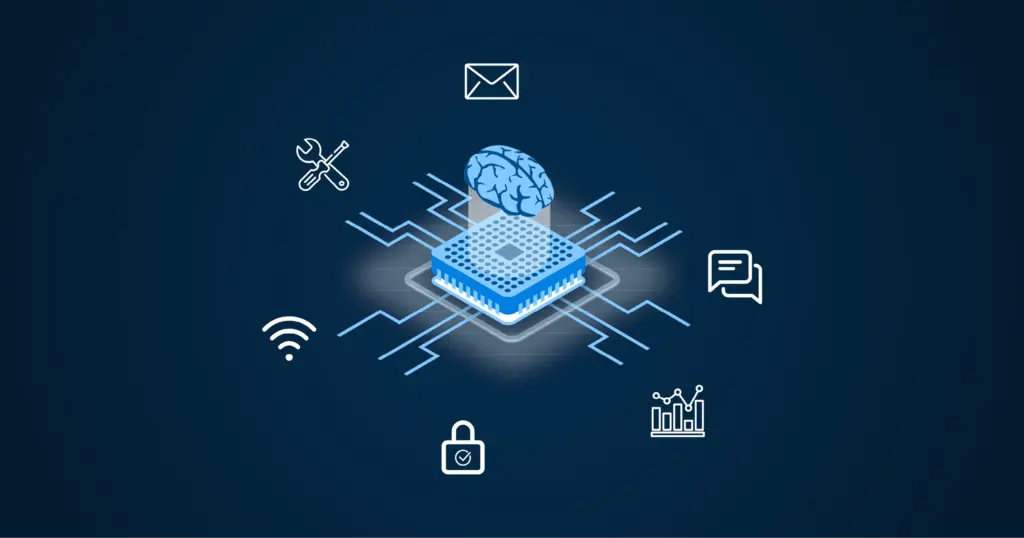
Introduction:
Briefly elaborate on the ubiquitous nature of embedded systems in our daily lives. Mention a specific example like smartphones or smartwatches to set the stage.
Unveiling the Tiny Giants:
Define embedded systems as specialized computers designed for a singular task.
Highlight their contrast with general-purpose computers.
Use an analogy to explain their functionality.
For instance, compare a car’s engine control unit to the brain, constantly monitoring and adjusting engine performance.
Core Components:
Microprocessor/Microcontroller: The processing powerhouse.
Memory: The information and instruction storage unit.
Input/Output (I/O) Devices: The system’s eyes and ears, allowing interaction with the environment.
Strengths in Simplicity:
Emphasize the strengths of embedded systems:
Dedicated Function: Masters a specific task, leading to efficiency and reliability.
Real-Time Capability: Responds to events instantly, crucial for applications like traffic light control.
Resourceful Design: Makes the most of limited resources like memory and processing power.
Everyday Embedded Wonders:
Provide a compelling list of applications across various sectors:
Consumer Electronics: Smartphones, wearables, appliances (washing machines, thermostats).
Automotive Industry: Engine management, safety systems (ABS, airbags).
Industrial Automation: Robots, assembly lines, process control.
Medical Technology: Pacemakers, diagnostic equipment, insulin pumps.
A Glimpse into the Future:
Briefly discuss the evolving landscape of embedded systems:
Miniaturization: Smaller and more powerful chips.
Enhanced Processing: Faster and more efficient execution of tasks.
Wireless Connectivity: Increased integration and communication capabilities.
Conclusion:
Reiterate the transformative role of embedded systems in shaping our world.
End with a call to action, encouraging exploration of this exciting field through online resources or educational programs.
Additional Tips:
Include images or infographics to visually represent embedded systems and their components.
Briefly mention the software development aspect for those interested in the technical side.
Link to relevant resources for further exploration.
By incorporating these suggestions, you can craft an informative and engaging blog post that effectively captures the essence of embedded systems and their remarkable impact on our world.